Steven Carroll
Institutional reception
The paper Network Proximity and Expert Impartiality was received by the Centro de Estudos Judiciários (CEJ) — the institution responsible for the professional training of judges in Portugal — entered into the permanent collection of the Biblioteca Armando Leandro, and distributed to its teaching faculty.
The paper is also available on SSRN under reference #6905898.
Academic work — network proximity and the Procedural Gap Project
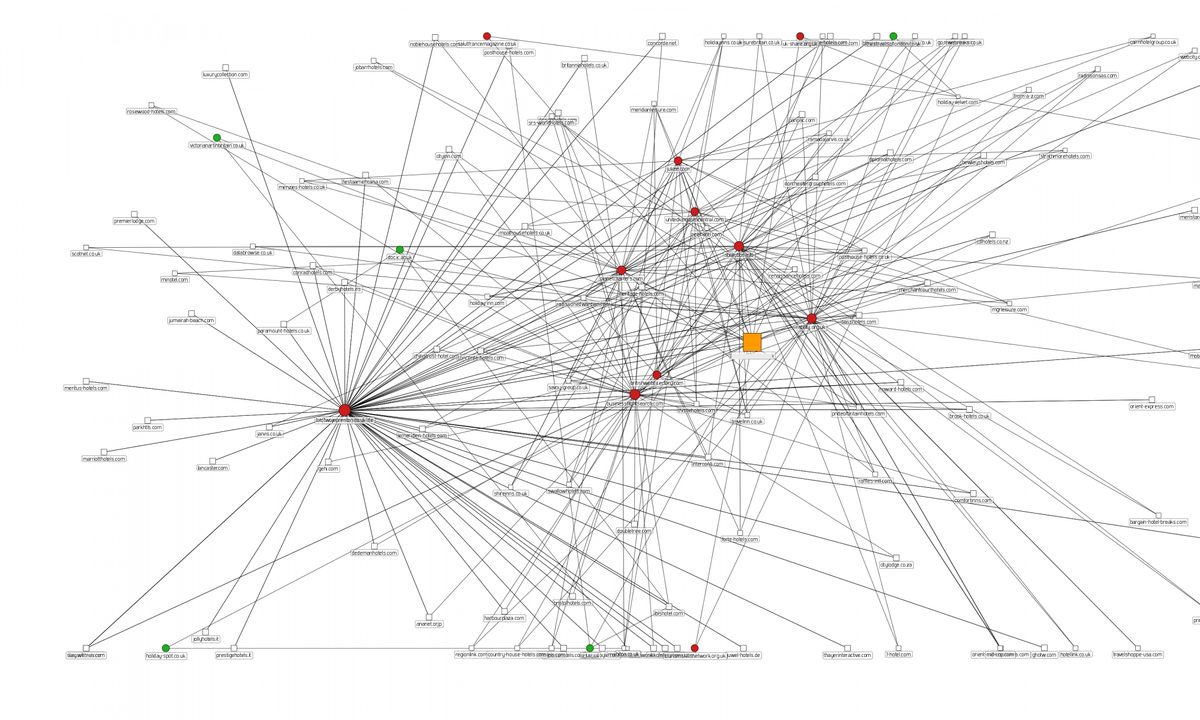
The methodology in Carroll's published research grew out of applied network-analysis work at LinkAudit.co, where he used bipartite-graph modelling to map coordinated manipulation in link-authority networks, framed around Google's Penguin 4 algorithm. The same structural approach — measuring proximity between nodes in a bipartite graph — is what the papers apply to expert-witness appointment networks in civil proceedings.
Carroll's research programme, The Procedural Gap Project, formalises structural features of legal and economic procedure. Five working papers identify measurable signals and propose quantitative diagnostic instruments, each operationalised as a tool on KYC.co.
-
Paper I · Proximity GapPublished 2026 · SSRN #6905898 · Received by CEJ (see above)
-
Paper II · Competence GapWorking paper · 2026 · Introduces the Specialisation Distance Differential (SDD)
-
Paper III · Disclosure GapWorking paper · 2026 · Introduces the Bad Faith Manufacturing Score (BFM)
-
Paper IV · Disclosure Gap — companionWorking paper · 2026 · Names three structural features present in concealment-of-condition disputes
-
Paper V · The Self-Reporting FallacyWorking paper · 2026 · SSRN submission draft · Applies Frankfurt's liar/bullshitter distinction to civil procedure for the first time
Paper I — Network Proximity: full abstract
Expert witnesses in civil proceedings are legally required to be independent. The current recusal mechanism relies on self-declaration and adversarial challenge — a slow, qualitative process with no quantitative standard for assessing network proximity between an expert and the parties they serve.
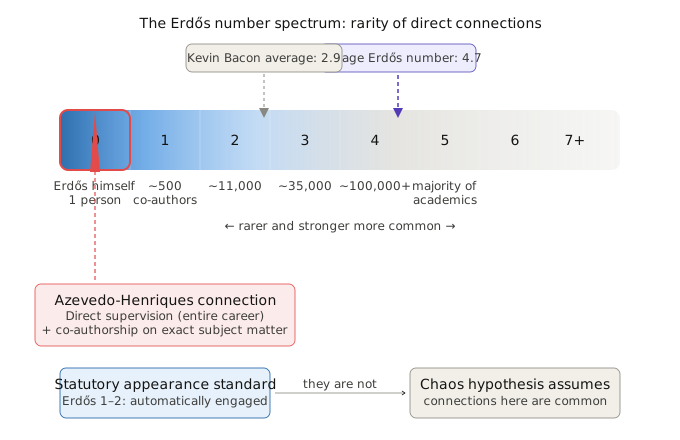
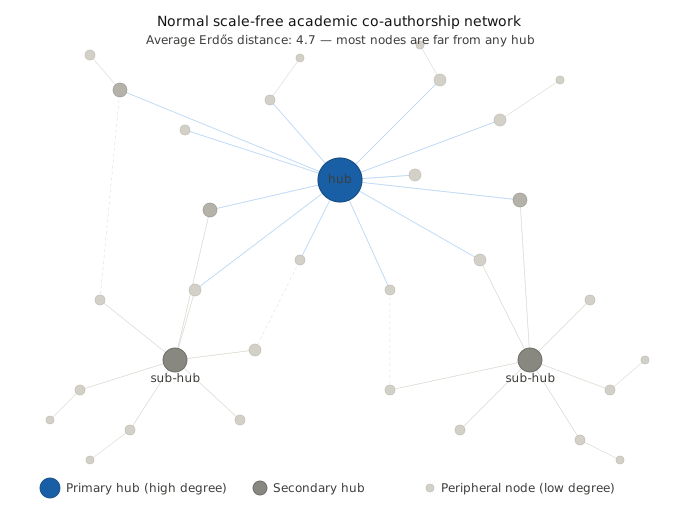
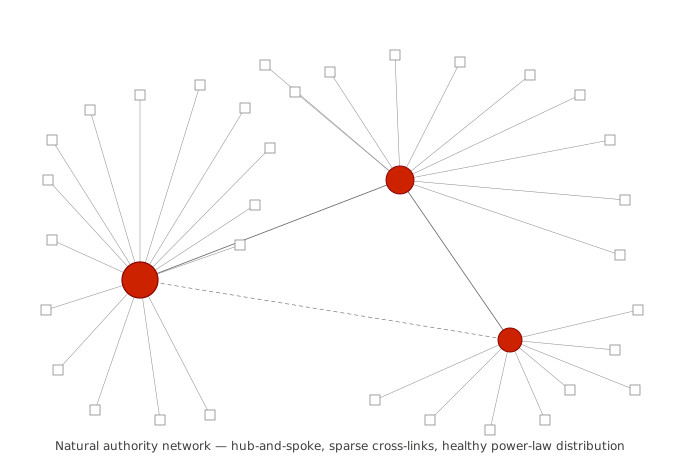
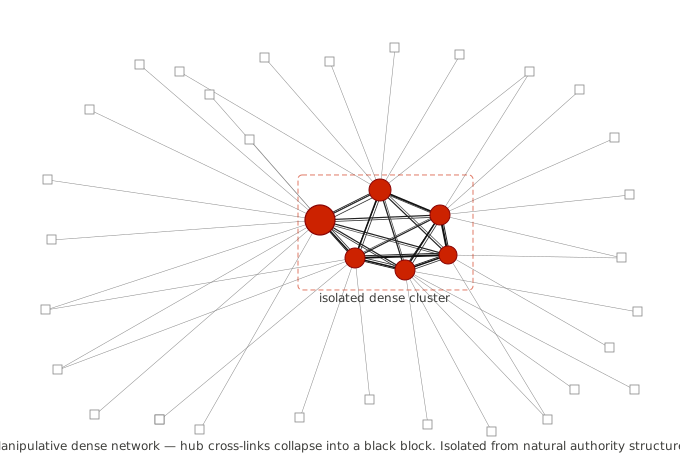
This paper applies network proximity analysis — using Erdős-number methodology on academic co-authorship and supervisory graphs — to demonstrate that the existing procedural standard is structurally inadequate. In the case study examined, the Azevedo-Henriques relationship places the expert witness at Erdős distance 1 from the commissioning party: a level of proximity that is statistically extremely rare, indistinguishable from direct collaboration, and automatically within the statutory appearance standard for recusal.
The paper documents how this proximity went unchallenged under existing procedure, traces the genealogy of the recusal standard through European civil procedure doctrine, and proposes a formal network proximity threshold — grounded in scale-free network statistics — as a required component of expert appointment procedure across European civil proceedings.
The methodology draws on bipartite graph analysis, small-world network theory, and comparative civil procedure research across European jurisdictions. Carroll welcomes correspondence from academics, comparative procedure scholars, and judicial education bodies.
Download full paper (PDF) ↗LinkAudit — the methodological origin
Technical and inventive history
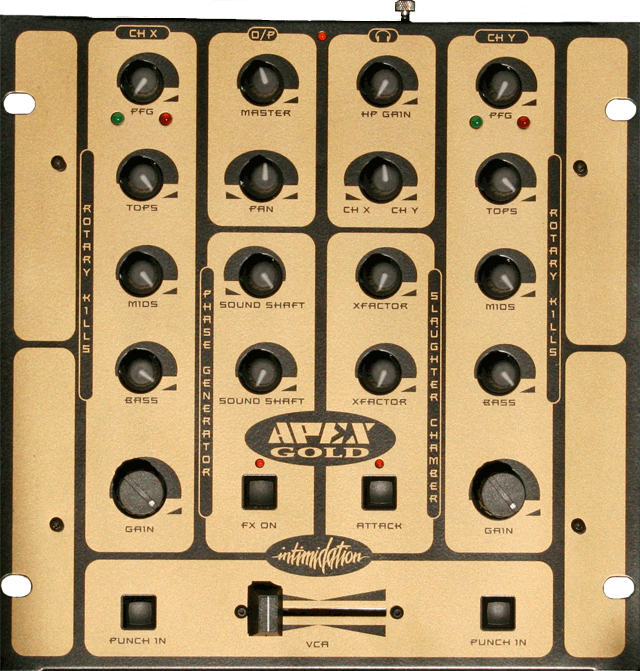
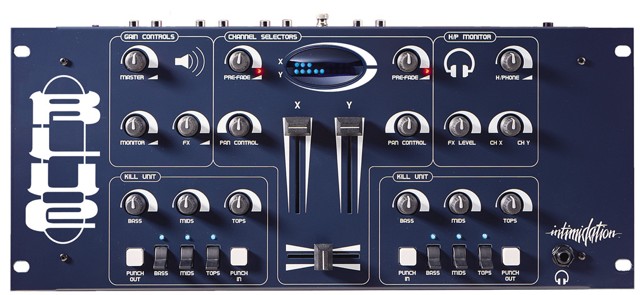
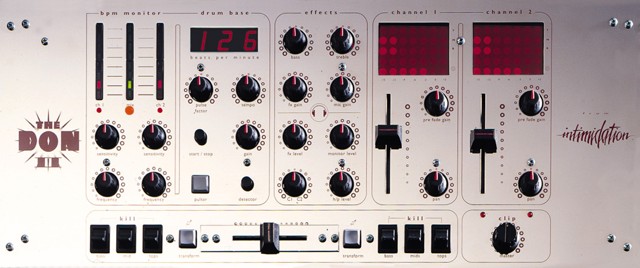
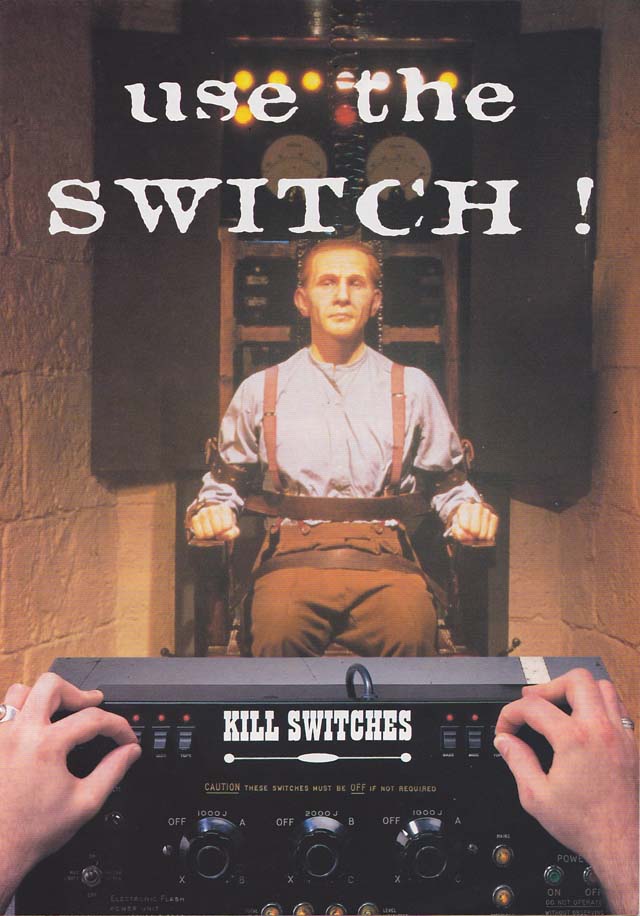
Carroll began working with electronics at age 10 and founded Intimidation Ltd at 21, under the mentorship of electronics engineer Bill Kelsey. The company designed and manufactured professional DJ mixers between the early 1990s and 2001, most notably the Apex — a compact battle-style mixer that introduced kill switches to the market: the ability to independently drop individual frequency ranges from a live mix, alongside VCA crossfader technology that eliminated the popping artefacts that plagued competing products.
In January 1998, Carroll filed a patent application for a system using encoded vinyl to control digital music. The technology is now known as the Digital Vinyl System (DVS): the method by which professional DJs control digital audio through analogue turntables. The priority claim is disputed; the supporting materials — including contemporaneous correspondence and the original patent application — are archived in full.
Intimidation Ltd — product archive (1993–2001)
Four mixer designs produced under the Intimidation Ltd label between the early 1990s and 2001. Each introduced features now standard across professional DJ hardware: kill switches, VCA crossfader circuitry, battle-format ergonomics. The Blue became the most widely distributed; the Apex the most technically refined — units from the original production run remain in working use twenty years later.


In January 1998, Carroll filed a patent application for a system using encoded vinyl to control digital audio. The technology — now known as DVS — is the standard method by which professional DJs control digital music through analogue turntables worldwide. Supporting materials, including contemporaneous correspondence and the original patent application, are preserved on the Wayback Machine (all archived snapshots).
KYC.co — the tools and code side
KYC.co is a contract-backed alternative dispute resolution platform. It implements the methodology developed in the Procedural Gap Project papers as software, and is designed to address a gap that neither traditional courts nor the emerging CBDC architecture has been built to fill.
Central Bank Digital Currency infrastructure, as specified by the Bank for International Settlements and implemented downstream by national monetary authorities, has been engineered to close the compliance distance between issuing institutions and their endpoints — enabling granular compliance enforcement, direct tax collection, and behavioural incentive structures embedded at the transaction layer. It does not include a corresponding mechanism for dispute resolution at that same layer.
KYC.co is designed for that gap: contract creation with expert adduction at the contract layer, resolution through structured ADR, backed by CBLT — its own token — as an alternative to CBDC settlement rails that lack dispute infrastructure.
Four diagnostic tools on KYC.co each operationalise a paper from the Procedural Gap Project:
Moral.Money — the academic and training side
Moral.Money is the venue that hosts the project's academic and training work: the five papers of the Procedural Gap Project, supporting educational material, and a gamified procedural reasoning engine that presents procedural questions of expert neutrality, burden of proof, and network structure through interactive narrative.